
Local SEO Tips for Beginners: As a business owner, you understand the importance of being visible to your target audience. With nearly half of all Google searches having local intent, it’s crucial to optimise your online presence for local search. I’m here to guide you through the world of local SEO and share valuable insights to help you outrank your competitors.
Did you know that 28% of searches for something nearby result in a purchase? 🤯 This statistic highlights the significance of local SEO for businesses with physical locations. By focusing on local SEO, you can increase your online visibility, drive more foot traffic to your store, and ultimately boost sales.
Key Takeaways
- Understand the importance of local SEO for your business
- Learn how to optimise your Google Business Profile
- Discover the key components of a successful local SEO strategy
- Find out how to outrank your competitors in local search results
- Set realistic expectations for seeing results with local SEO
Understanding Local SEO: The Gateway to Local Customers
As a business owner, understanding local SEO can make or break your local customer acquisition strategy 🤔. Local SEO is a game of two halves because Google shows two types of search results for local searches: local pack results and organic “blue link” results. You can rank on both of them, but it requires different strategies.
What Is Local SEO and Why Does It Matter?
Local SEO is the process of optimising your online presence to attract more local customers through search engines like Google 🌟. It matters because most consumers use search engines to find local businesses, and by optimising for local SEO, you can increase your visibility, drive more foot traffic to your store, and ultimately boost sales.
Local SEO is crucial for businesses with a physical location or those serving specific geographic areas. By understanding how local search results work, you can tailor your SEO strategy to target local customers effectively.
How Local Search Results Work: Map Pack vs Organic Results
Google displays two main types of search results for local searches: the Map Pack (also known as the Local Pack or 3-Pack) and traditional organic results 📍. The Map Pack typically shows three local businesses with their Google Business Profile information, including ratings, address, hours, and photos.
| Feature | Map Pack | Organic Results |
|---|---|---|
| Visibility | Appears above organic results | Listed below Map Pack |
| Ranking Factors | Proximity, relevance, prominence | Website SEO, content quality |
| Business Information | Directly shows Google Business Profile info | Requires visiting the website |
Understanding the difference between Map Pack and organic results is crucial for developing an effective local SEO strategy 📊. By optimising your Google Business Profile and website SEO, you can improve your visibility in both areas and attract more local customers.
Setting Up Your Google Business Profile for Success
Setting up a Google Business Profile is the first step towards improving your local online visibility. With a well-optimised profile, you can increase your chances of appearing in the coveted Map Pack and attract more local customers.

Claiming and Verifying Your Business Listing
To start, you need to claim and verify your business listing. This process involves confirming your business’s existence and ensuring that you are the rightful owner. Verification is crucial as it prevents unauthorised changes to your profile.
Google will provide you with a verification code, which you can receive by post, phone, or email. Once you’ve entered the code, your business listing will be verified, and you can start optimising your profile.
Optimising Your Profile Information and Categories
With your listing verified, it’s time to optimise your profile information. Ensure that your business name, address, and phone number (NAP) are accurate and consistent across the web. Choose the most relevant categories for your business to help Google understand what you do.
Use keywords that customers might use when searching for your services. For example, if you’re a bakery, you might use categories like “bakery” or “cake shop.”
Adding High-Quality Photos and Regular Posts
High-quality photos and regular posts can significantly enhance your Google Business Profile. Businesses with photos receive 42% more requests for directions and 35% more clicks to their websites. Upload exterior shots, interior photos, product photos, team photos, and photos of your business in action.
Use Google Posts to share updates, offers, events, and products directly on your profile. Create different types of posts, such as “What’s New,” “Offers,” “Events,” and “Products,” to keep your profile fresh and engaging.
Building Your Online Reputation Through Reviews
In today’s digital landscape, your business’s online reputation is paramount, and reviews play a pivotal role in shaping it. A robust review profile not only enhances credibility but also significantly influences local SEO rankings.
Why Reviews Are Critical for Local SEO Rankings
Reviews are a crucial factor in local SEO as they signal to search engines that your business is active and engaging with customers. The quality and quantity of reviews directly impact your visibility in local search results. Positive reviews can boost your rankings, while negative reviews can deter potential customers. It’s essential to understand that reviews are not just about ratings; they provide valuable feedback that can improve your business.
Strategies for Encouraging Customer Reviews
Encouraging customers to leave reviews can be challenging, but there are effective strategies to achieve this. Firstly, providing excellent customer service is fundamental. Ensure that your customers are satisfied with your service, and they will be more likely to share their positive experiences. You can also ask for reviews directly, either in person or via email, making sure to include a direct link to your review profile. Offering incentives, such as discounts or loyalty points, can also encourage customers to leave feedback.

Responding to Reviews: Best Practices
Responding to reviews is a critical aspect of managing your online reputation. It’s not just about acknowledging positive feedback; responding to negative reviews can also mitigate their impact. When responding, be sure to personalize your message, addressing the customer by name and referencing specific details from their review. For example, “We appreciate your feedback on our service in [city, state]. We value your input and look forward to working with you again. Thank you from the [full company name] team.” Responding promptly, ideally within 24-48 hours, shows that you value customer feedback and are committed to providing excellent service.
NAP Consistency: The Foundation of Local SEO Tips for Beginners
A consistent NAP (Name, Address, Phone number) is the backbone of a successful local SEO strategy, influencing how search engines trust your business. Ensuring that your business’s NAP is uniform across the web is crucial for local search rankings. In this section, we’ll delve into the importance of NAP consistency and how to achieve it.
Understanding NAP and Why Consistency Matters
NAP consistency refers to the uniformity of a business’s name, address, and phone number across online directories and citations. This consistency is vital because it helps search engines like Google understand that the various mentions of your business online are actually referring to the same entity. Inconsistencies can lead to confusion, potentially harming your local search rankings. For instance, having your business listed with different phone numbers or addresses across different platforms can dilute your online presence.

Auditing and Correcting Your Business Information Online
Auditing your business information online is a critical step towards achieving NAP consistency. Start by searching for your business across various directories and citations. Make a list of the platforms where your business is listed and check for any inconsistencies. If you find discrepancies, correct them promptly. This process may involve claiming your business listings on directories like Yelp, Bing Places, and other relevant local business listings.
Managing Citations Across Business Directories
Managing citations effectively involves understanding the citation ecosystem, including major data aggregators like Data Axle, Neustar Localeze, Foursquare, and Factual. These aggregators distribute your business information to hundreds of other sites, making them crucial for NAP consistency. Focus on submitting accurate information to these primary sources, and then expand to industry-specific and local/regional directories. This tiered approach ensures that your business’s NAP is consistently represented across the web, enhancing your local SEO.
By ensuring NAP consistency, auditing and correcting your business information, and managing citations across directories, you’ll be well on your way to improving your local search visibility. This foundational work is essential for any local SEO strategy, providing a solid base upon which other SEO efforts can build.
Local Keyword Research: Finding What Your Customers Search For

Local keyword research is the foundation upon which your online visibility is built. As a business owner, understanding what your customers are searching for is crucial for driving traffic to your website and increasing your local SEO rankings.
Identifying Service-Based Keywords
To start, you need to identify the keywords that are relevant to your business services. This involves brainstorming a list of terms that potential customers might use when searching for your services online. For instance, if you’re a plumber, your keywords might include “emergency plumber” or “pipe repair services.” It’s essential to be specific and consider the services you offer, as well as the location you’re targeting.
Understanding Local Search Intent
Understanding the intent behind local searches is vital. Are customers looking for a specific service, or are they seeking information? By grasping the intent, you can tailor your content to meet their needs, thereby improving your SEO efforts. For example, a search for “best Italian restaurants near me” indicates a clear intent to find a specific type of cuisine in a particular location.
Mapping Keywords to Your Website Pages
Once you have your list of keywords, the next step is to map them to specific pages on your website. This process, known as keyword mapping, ensures that each page targets a unique primary keyword and its variants, preventing keyword cannibalization and creating a logical site structure that both users and search engines appreciate.
By strategically mapping your keywords to specific pages, you’ll create a clear plan for your SEO efforts, driving more targeted traffic to your site and enhancing your local search visibility.
On-Page Optimisation for Local Businesses
For local businesses, on-page SEO is not just important – it’s essential. It involves optimising various elements on your website to improve your visibility in local search results.
Optimising Title Tags and Meta Descriptions
Title tags and meta descriptions are crucial for search engine results. Ensure your title tags include relevant local keywords and are under 60 characters. Meta descriptions should be compelling, include local keywords, and be under 160 characters. This will improve your click-through rates from search engine results pages (SERPs).
Creating Location-Specific Landing Pages
Creating landing pages specific to your business locations can significantly boost your local SEO. These pages should include locally relevant keywords, information about your services or products, and details about your business location. Ensure each landing page is unique and provides value to your customers.
Implementing Local Schema Markup
Schema markup is a powerful tool for local businesses. It provides search engines with explicit information about your business, such as its type, location, and operating hours. Implementing schema markup can enhance your search results with rich snippets, potentially increasing your click-through rates. You can use JSON-LD format for schema markup, which is Google’s recommended format.
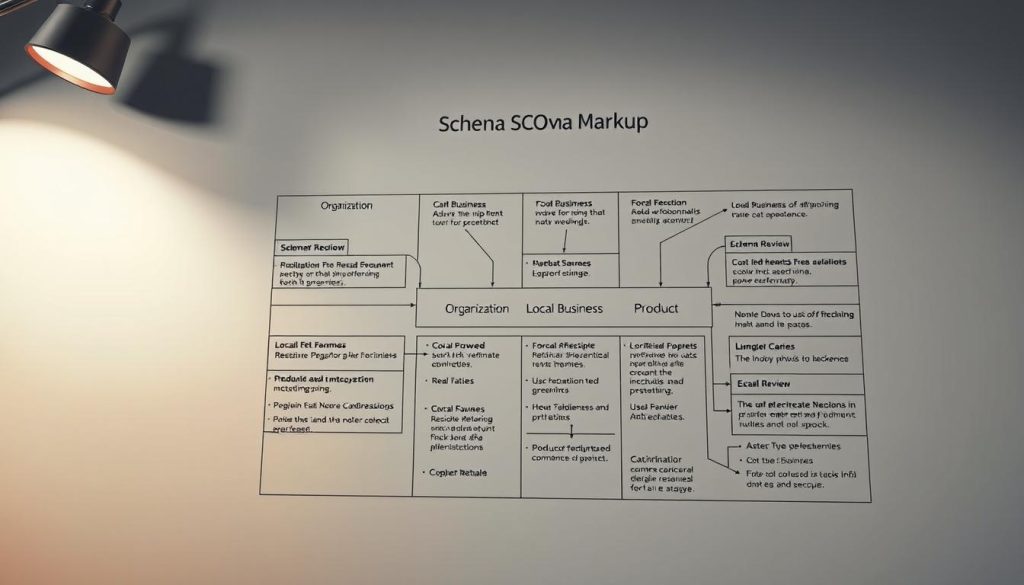
By implementing these on-page optimisation strategies, you can improve your website’s visibility in local search results, driving more traffic and potential customers to your business.
Building Local Authority Through Link Building
Building local authority is crucial for businesses aiming to dominate their local SEO landscape. As a business owner, you need to establish your brand as a trusted and relevant entity within your community. One effective way to achieve this is through strategic link building.
Why Local Links Matter for Rankings
Local links are vital for SEO because they signal to search engines that your business is a part of the local community. High-quality backlinks from local sources can significantly improve your website’s authority and ranking in local search results. These links are considered more relevant because they are contextually related to your business’s geographical location.
Finding Local Link Opportunities
To find local link opportunities, you need to be proactive and creative. Partnering with local businesses, sponsoring community events, and participating in local charities are excellent ways to earn links from relevant sources. You can also look for local directories, industry-specific listings, and community blogs that might link back to your website.

Community Involvement as a Link Building Strategy
Community involvement is a powerful link building strategy that not only earns you high-quality backlinks but also builds your brand and creates goodwill within the community. By sponsoring local events, creating educational initiatives, or volunteering, you demonstrate your commitment to the local community, which can lead to natural link acquisitions from local news outlets, blogs, and community websites.
To maximize the impact, ensure you document and promote your community involvement through press releases, social media, and your website. This approach creates a win-win situation for everyone involved, enhancing your local SEO efforts while contributing to the community’s well-being.
Creating Localised Content That Resonates
Understanding how to create localised content that resonates is vital for businesses aiming to boost their online visibility. With 61% of all Google searches being performed on mobile, the importance of local search cannot be overstated. By crafting content that speaks to your local audience, you can significantly enhance your local SEO efforts.
Developing Content for Your Local Audience
To develop content that resonates with your local audience, you need to understand their needs and interests. This involves identifying the types of content that are most relevant to them, such as local news, events, or tips related to your service. By doing so, you can create a connection with your audience and position your business as a valuable resource within the community.

Showcasing Local Events and Community Involvement
Showcasing your involvement in local events and community activities is a powerful way to create engaging content. This can include sponsorships, volunteer work, or participating in local events. By documenting these activities through photos, videos, and testimonials, you can create authentic stories that resonate with your audience. Leveraging social media platforms like Facebook, Instagram, and LinkedIn can further amplify your reach and engagement. By creating content around your business involvement in the community, you can enhance your local online presence.
By implementing these strategies, your business can create a robust content calendar that showcases your local involvement and commitment to the community, ultimately boosting your local SEO.
Mobile Optimisation: Essential for Local Search Success
With the majority of local searches now conducted on mobile devices, a mobile-optimised website is essential for local search success. As more people use their mobiles to find local services, ensuring your site is mobile-friendly is no longer optional.
Why Mobile Matters for Local SEO
Mobile optimisation is crucial for local SEO because it directly affects how your business is found online. Search engines like Google prioritise mobile-friendly websites in their search results, meaning that if your site isn’t optimised for mobile, you’re likely to be pushed down the rankings. This can result in fewer customers finding and engaging with your business.
Moreover, a mobile-optimised website improves user experience, leading to higher engagement rates and more conversions. By ensuring your website is responsive and loads quickly on mobile devices, you can provide your customers with a seamless browsing experience, regardless of how they access your site.
Key Mobile Optimisation Strategies
To optimise your website for mobile, start by ensuring it has a responsive design that automatically adjusts to fit any screen size. This involves using flexible grids and images that scale appropriately. You should also conduct a thorough mobile usability audit using tools like Google’s Mobile-Friendly Test and Mobile Usability Report in Search Console to identify and fix any issues.
Other key strategies include optimising page speed by compressing images, minifying code, and leveraging browser caching. Additionally, make sure your website’s navigation is intuitive and touch-friendly, with properly sized buttons and adequate spacing between clickable elements. By implementing these strategies, you can significantly enhance the mobile user experience and improve your local search rankings.
By focusing on mobile optimisation, you can ensure that your local business website is well-positioned to attract and engage with customers on the devices they use most.
Essential Tools to Monitor and Improve Your Local SEO

Now that we’ve covered the basics of local SEO, let’s dive into the essential tools that can help you monitor and improve your online presence. As a local business owner, having the right tools at your disposal can make all the difference in your SEO strategy.
First, let’s start with Google’s free tools, which are a must-have for any local business. These include Google Business Manager, Google Search Console, and Google Analytics. These tools provide valuable insights into your website’s traffic, search rankings, and overall online presence.
For more specialized local SEO tasks, you’ll want to consider tools like BrightLocal, Whitespark, and Moz Local. These tools can help with citation management, review monitoring, and local rank tracking, making it easier to maintain a consistent online presence across multiple directories and platforms.
Additionally, SEO platforms like Semrush or Ahrefs can be used to conduct local keyword research, competitor analysis, and backlink monitoring. These tools provide a comprehensive view of your local SEO landscape and help you identify areas for improvement.
Other essential tools include review management software, local rank tracking tools, citation audit tools, and schema markup generators. These tools can help you streamline your local SEO efforts and improve your overall online visibility.
By leveraging these tools, you can gain a better understanding of your local SEO performance and make data-driven decisions to improve your rankings and drive more traffic to your website.
FAQ
What is the importance of having a Google Business Profile for my business?
Having a Google Business Profile is crucial as it helps your business appear on Google Maps and in search results, making it more visible to potential customers searching for services or products like yours in your area.
How can I improve my business’s visibility in search results?
To improve visibility, ensure your Google Business Profile is complete, accurate, and up-to-date, and focus on building a strong online reputation through customer reviews and ratings.
What is NAP consistency, and why is it vital for my business?
NAP consistency refers to ensuring your business’s Name, Address, and Phone number are consistently listed across the web. This consistency is vital as it helps search engines trust your business’s information, improving your chances of ranking higher in search results.
How do I manage citations across business directories?
To manage citations, start by listing your business in reputable directories, then regularly audit and correct your business information to ensure consistency and accuracy across all listings.
What role does mobile optimisation play in local search success?
Mobile optimisation is essential as most searches are conducted on mobile devices. Ensuring your website is mobile-friendly improves user experience, leading to higher engagement and better search engine rankings.
How can I encourage customers to leave reviews for my business?
Encourage customers to leave reviews by providing excellent service, making the review process easy, and politely asking satisfied customers to share their experiences on your Google Business Profile or other relevant platforms.
What is the significance of link building for my business’s online presence?
Link building is significant as it helps establish your website’s authority and improves your search engine rankings. Focus on acquiring high-quality, relevant links from local sources to boost your local SEO.
How do I identify the right keywords for my business?
Identify the right keywords by understanding your target audience’s search intent, using tools like Google Keyword Planner, and analysing competitors to find relevant service-based keywords that align with your business offerings.


